Plants
for Pollinators in the Classroom (PPIC)
Dear Teachers and Youth Group Leaders... Thank you for your interest in the PPIC program!
PPIC applications are typically due in late January; however, due to budget and staff restrictions the program will not be offered in Mercer County this year. Please check back, as we hope to continue this wonderful program in the future!
The 2014 program brochure is available here for your reference only. You may contact the Freehold Soil Conservation District with general questions about the program (732-683-8500) or scroll down for a short list of helpful pollinator resources.
The "Plants for Pollinators in the
Classroom" program began in 2009 as a partnership between
the Assunpink Environmental Institute and the Mercer County Soil Conservation
District. With sponsorship from the Freehold Soil Conservation District in 2010,
the program expanded to include classrooms in Middlesex and Monmouth
Counties. Starting in 2013, teachers in Mercer County had the opportunity to be paired up with a "Garden Pal" volunteer/mentor from the Master Gardeners of Mercer County.
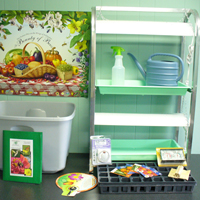
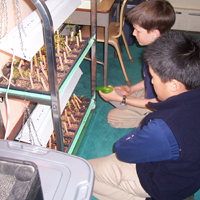
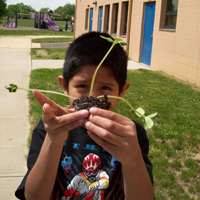
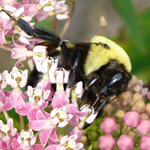
The program seeks to raise awareness about the important services provided by pollinators and the need to increase suitable habitat for native bees and other pollinators. Teachers can apply to receive a "Plants for Pollinators in the Classroom" (PPIC) resource kit containing a two-tiered plant stand with grow lamps, potting soil, seeds and other materials needed to help the students grow butterfly-attracting plants which they later transplant into their schoolyards. Teaching materials, lesson ideas, and posters are also included in the resource kits.
 |
 |
 |
See below for past press releases about the program and
for helpful web resources about gardening for butterflies and other pollinators.
We are currently seeking sponsors for next year's Plants for Pollinators program in Mercer County. Please contact the Education Coordinator at 609-586-9603 to find out how you can support this program and help local children explore the joys of gardening for pollinators.
The MCSCD and AEI would like to thank the businesses and organizations listed below for helping to make this program a success.
- Mercer County Board of Agriculture
- The Mercer County Community College Horticulture Club - West Windsor, NJ
- Terhune Orchards - Princeton, NJ
- Central Jersey Beekeepers Association
- Cicconi Farms
- The Garden Club of Princeton
- Hamilton Grange, No. 79
- Home Depot, West Windsor, NJ
- Kale's Nursery and Landscape Service, Inc. - Princeton, NJ.
- Knightlinger, Colavita & Volpa, PA - Williamstown, NJ
- Lions Club of West Windsor
- Master Gardeners of Mercer County
- The Contemporary Club - Trenton, NJ
- Timothy's Center for Gardening - Robbinsville, NJ
 |
 |
 |
 |
Butterfly
and Pollintator Resources |
 |
 |
 |
 |
Click here for ideas to celebrate Pollinator Week with your family!
June 16 - 22, 2014
June 2014 PRESS RELEASE:
Celebrating Pollinator Week Across Mercer County
June 2013 PRESS RELEASE:
Mercer County Students Celebrate the Benefits of Pollinators
June 2012 PRESS RELEASE:
Classrooms
and Schoolyards Buzz with Excitement About Pollinators